Woods and Forests Media
The Woods Uncut
The Flagship Show of Woods and Forests Media

The Woods Uncut
Step inside The Enclosure that transformed lives and inspired frog conservation across Pennsylvania, The PA Woods Vivarium
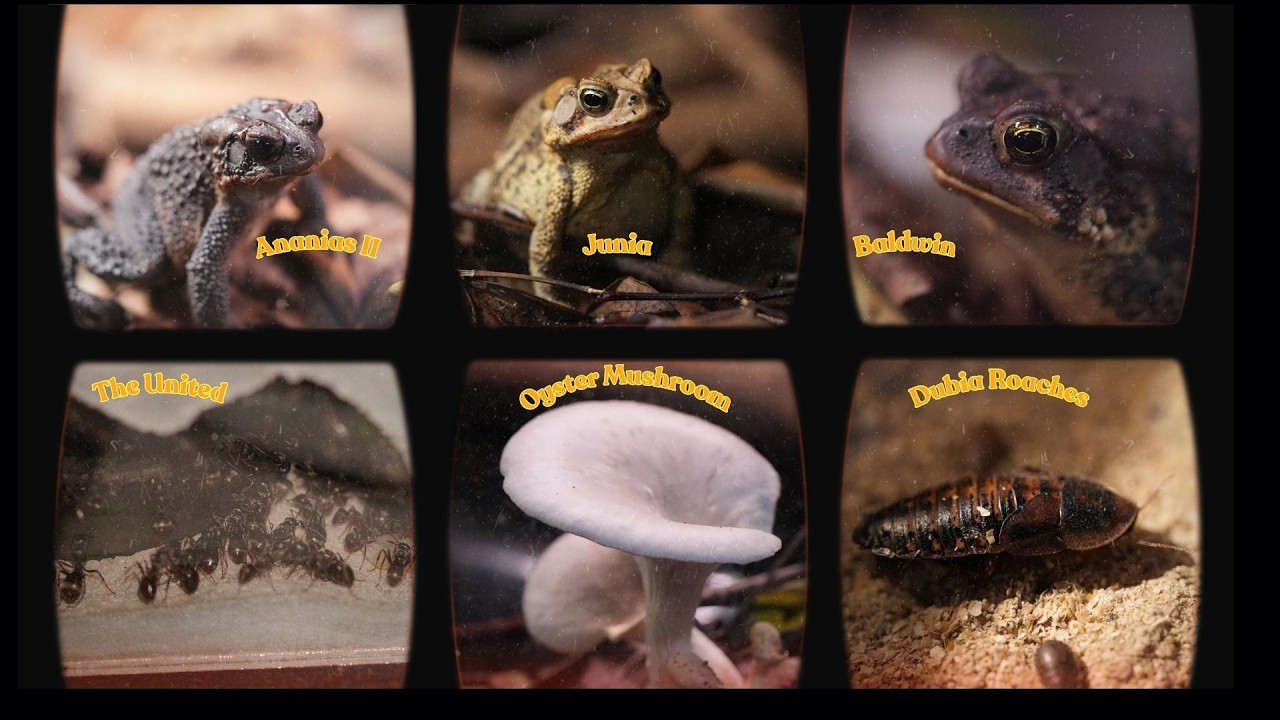
A macro wildlife series set in a Pennsylvania woodland vivarium, filmed as if you are in the enclosure itself. Witness rescued American toads Ananias II, Junia, and Baldwin, the black field ant colony “The United,” Dubia roaches "The Dubias", and other residents as their stories unfold. A captivating blend of zoo care and cinematic nature documentary, where every frame captures seasonal changes, animal behavior, and the drama of life in the wild.
The Woods Uncut Season 3
The Woods Uncut Season 3
Why I Built a MASSIVE Toad Habitat

Isolated Thunderstorm In PA Woods Vivarium #shorts

My American Toad Has Parasites…
The Woods Uncut Deep Dive: A Living Cycle of Memory and Renewal
Introduction: Beyond an Enclosure
At first glance, the PA Woods Vivarium might appear to be just another vivarium, a self-contained glass box housing animals, plants, and soil. But to stop there would miss the essence of what this project truly represents. The Woods Uncut is not a show of an isolated experiment, nor merely a visual spectacle. It is a living memorial, a cyclical system of renewal, and a stage where drama unfolds among its inhabitants. It is a microcosm tied to the outside world, to landscapes, histories, and memories, a reminder that no life, once lived, ever entirely disappears.
The vivarium serves as both a scientific laboratory and a stage for narrative. On the one hand, it houses controlled experiments with native fungi, insects, and amphibians that explore resilience, adaptation, and predator-prey dynamics. On the other hand, it serves as ecological storytelling, allowing viewers to follow the rivalries, triumphs, and tragedies of individual animals. Above all, it is a project that insists on connection. Every leaf, mushroom, droplet of rainwater, and branch has a story that extends beyond the glass walls.
This dual nature — science and story, memory and renewal — is the heart of The Woods Uncut.


Living Memorials: Where Memory Becomes Ecology
The Woods is constructed not only of soil and stone but also of memory. Many of the plants and materials inside originate from trees, shrubs, or gardens planted in remembrance of pets who have passed away. Birch, oak, redbud, apple, and magnolia trees have grown in outdoor memorial plantings, and their leaves, fruit, and branches are returned to the vivarium each season.
This practice makes the vivarium a living archive of remembrance. When a toad takes shelter under a leaf that once grew from a memorial tree, it becomes part of a story much larger than itself. The cycle is profound: pets who once gave joy now give shelter and nourishment to new lives. Fallen leaves enrich the soil, fruits sustain insects, and branches provide cover. In this way, memory is not static but regenerative.
Every season, the toads encounter these legacies. Ananias II might burrow beneath oak litter; Junia may stalk prey under redbud leaves; Baldwin could feast on insects nourished by homegrown blueberries. The animals of today thrive on the contributions of those who came before. Loss becomes life, remembrance becomes renewal.
Harvesting Homegrown Gifts
One of the defining features of The Woods is its tethering to outdoor cycles. Leaves are not purchased from a store but gathered in autumn from the trees that line backyards and gardens. Blueberries and raspberries are picked in the summer, teaberries in the cool months, and apples and peaches in their respective seasons. These harvests are shared with the vivarium’s ecosystem, where fungi, insects, and soil microorganisms convert them into nourishment.
Mushrooms, too, are gathered or cultivated in seasonal rhythms. Apple sticks, redbud branches, and even decaying logs become platforms for fungal growth, linking indoor cycles to outdoor decomposition. This seasonal rhythm ensures that the vivarium does not become sterile or predictable; instead, it evolves in tandem with the landscapes it mirrors.
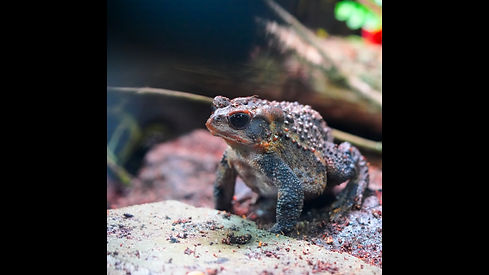

The Woods Uncut: The Enclosure and Drama of Toads
The practice also underscores sustainability. Nothing is wasted. What falls outside becomes structure and sustenance inside. Viewers witness how a single apple core or bundle of oak leaves can ripple outward into insect feeding frenzies, soil enrichment, and ultimately, toad survival.

Environmental Storytelling
Environmental Storytelling: The Woods as a Character
Storms, fogs, droughts, and rains are not just atmospheric effects; they are narrative drivers. A thunderstorm might push Baldwin into hiding while giving Junia the perfect hunting cover.
By treating the environment as a character, The Woods mirrors nature's role in the wild. Animals do not act in a vacuum; they respond to weather, to seasons, to cycles of feast and famine. This realism adds cinematic tension and depth, making every episode dynamic and unpredictable.
American Toads vs. Black Field Ants: The Featured Faceoff
American Toads vs Grasshoppers: A showcase of strategy.
American Toads vs Chinese Praying Mantises: predator vs predator and native vs invasive.
American Toads vs Spotted Lanternfly Invasion (possible): A symbolic storyline, mirroring real-world ecological threats.
These encounters are not gratuitous. They are structured, observed, and documented as genuine studies in behavior and interaction. Each confrontation reveals not only the toads' strength but also their role as defenders of their ecosystem.
New Gadgets, and More!
Filming Techniques: Seeing the Unseen
The Woods Uncut employs unique cinematography to capture its subjects in ways rarely seen in vivariums.
24/7 Security Cameras record unscripted behavior when humans are absent.
Macro Lenses reveal health details and portrait-like character studies.
POV Cameras provide “toad-eye” perspectives, immersing viewers in their world.
The effect is a series that feels simultaneously like Planet Earth and a long-term zoo study, yet with a personal intimacy unmatched by either.
Conclusion: An Experiment in Legacy and Imagination
The Woods Uncut is more than a series, the PA Woods Vivarium is more than a vivarium, more than a collection of experiments. It is a meditation on memory, renewal, and connection. It is an attempt to model sustainability, to honor the past through living memorials, and to invite viewers into a space where science and story intertwine.
Most vivariums stop at creating a bioactive tank or capturing feeding clips. The Woods Uncut dares to go further: designing experiments, staging predator-prey studies, modeling seasonal environments, and weaving character-based drama. In some ways, it surpasses traditional zoo care by embracing risks and narratives that institutions often avoid.
